
Sustainable Turf Systems
This affection for the environment is not merely aesthetic or recreational. It’s a profound respect for the interconnected web of life that our natural ecosystems represent.
Brock Believes in Protecting Our Planet
It’s impossible to ignore the destructive impacts of climate change that threaten the beauty and balance of these ecosystems. This growing concern has fueled our desire to make a difference, particularly in the sports field industry, an area we are all passionate about. We are committed to developing innovative products that utilize organic, eco-friendly alternatives to traditional materials. By doing so, we can reduce our environmental footprint, foster more sustainable practices, and hopefully inspire other industries to follow suit. As a team of people who appreciate the natural world, we all share a personal and professional responsibility to protect and preserve our planet for future generations.

How are Brock shock pads and infill sustainable?
There is a big difference between recycling and down-cycling. At the end of the day, unless a product could be reused repeatedly without losing its original quality and performance, it does not meet Brock’s standards. Sure, some products claim that they are diverting materials from a landfill, but a closer look exposes they are simply delaying this inevitable and wasteful outcome. When it comes time to replace these materials, it’s not financially viable to further down cycle them, so their destiny is thrown away.
The problem is, on our tiny planet, there is no “away.”

We are truly helping the planet
BrockFILL sequesters or captures CO2 from the air. The carbon that’s been sequestered in BrockFILL doesn’t simply re-enter the atmosphere when it decomposes. Proper composting strategies carefully manage inputs to ensure that the carbon captured by the BrockFILL enters the soil as it decomposes, meaning the benefits of BrockFILL extend even beyond the field!

We stand behind our products
BrockFILL is a USDA Certified Biobased Product, made from renewable wood rather than petroleum-derived material. Biobased products use ingredients derived from plants and other renewable agricultural, marine, and forestry resources. Through the USDA BioPreferred Program, the certification verifies a product’s biobased content using independent laboratory testing. For BrockFILL, that designation recognizes the renewable biological origin of its wood material.

When we say we recycle we mean it
We are proud to announce that BrockFILL has achieved C2C Certified Material Health Gold (v4.1), while our PowerBase has been recognized with C2C Certified Material Health Bronze (v4.1) and C2C Certified Circularity Bronze (v4.1). These certifications underscore our ongoing commitment to creating safer, more sustainable, and circular solutions for the future of sports and play.

We practice what we preach
Protecting the next generation means caring for the places where they play—and the planet they will inherit. Brock’s C2Zero Program reflects that responsibility, with the goal of becoming a net-zero carbon company as quickly as possible. C2Zero extends our commitment beyond the playing surface to the environmental impact of our business. It gives a shared purpose to our pursuit of more responsible products and practices: supporting sports and play today while working toward a healthier future.
Design for the Next Life
A field’s future starts with the decisions made during design. Choosing durable materials, planning for replacement, and understanding where each component goes at the end of its service life can help reduce waste and preserve the value of the investment.
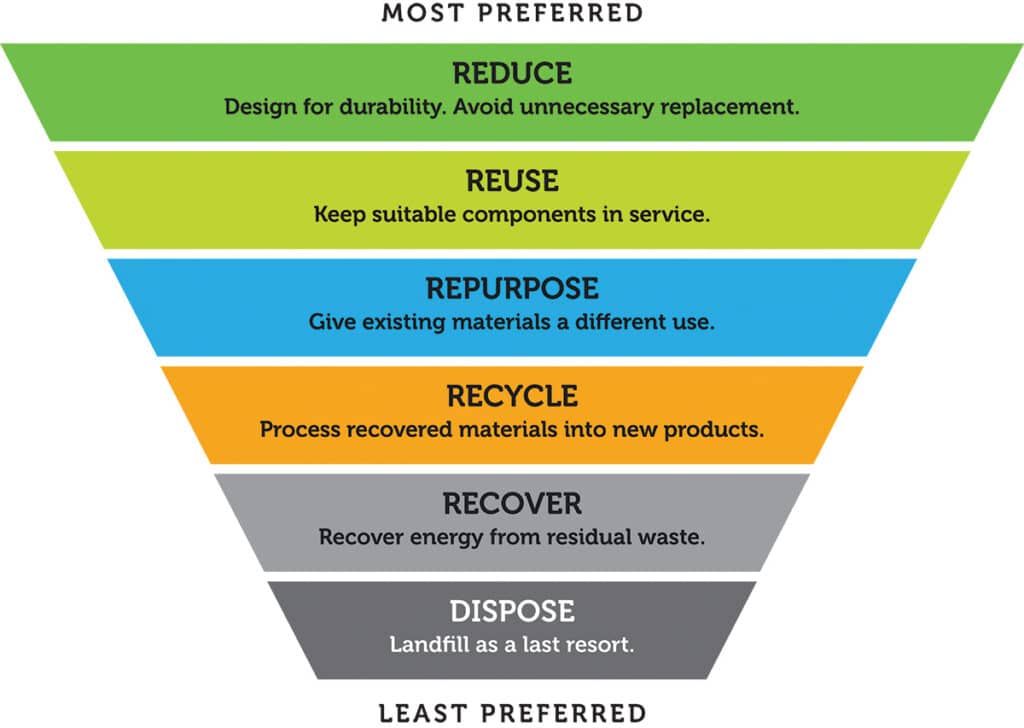
The materials hierarchy provides a practical guide: reduce the need for new materials first, prioritize reuse and repurposing, then recycle materials that can no longer serve their purpose.
For architects, this means looking beyond the visible turf. Brock shock pads are designed for long-term use and may remain in place through multiple turf replacements when their condition and performance are verified. Keeping a suitable shock pad in service can reduce replacement material needs and waste.
Design for performance today—and plan for what comes next.
160+ Fields
More than 160 fields are now on their second—and even third—turf lifecycle using the same Brock shock pads. That’s not a projection or a promise—proven performance over time.
Across North America, more than 160 fields have replaced their turf over existing Brock shock pads. While turf carpets typically need replacement every ~8-10 years, Brock shock pads are built to last multiple life cycles of turf, allowing them to stay in place through the turf replacement process.
Reuse That Makes a Difference
Keeping a suitable Brock shock pad in place through turf replacement can lower costs, simplify construction, and conserve resources—delivering lasting value for your community and the environment.
Save on Replacement Costs
Major cost savings by eliminating the need to repurchase shock pads
Reduce Construction Time
Avoid shock pad removal and reinstallation, helping streamline turf replacement.
Use Less. Waste Less.
Reduce demand for new materials and keep functional shock pads in use longer.
At Brock, our sustainability goal is to help communities build fields that serve athletes while using resources responsibly. That starts with engineering durable products and extending their useful life—reducing the need for new materials, avoiding unnecessary waste, and preserving the value of a school or community’s investment.
The 160+ fields that have reused Brock shock pads demonstrate how that goal translates into practice. When an existing pad remains suitable for continued use, keeping it in place makes turf replacement an opportunity to conserve resources. We’re proud of what these fields represent: long-term thinking that connects athlete performance, responsible material use, and lasting value. It’s how we work toward improving the field of play for today’s athletes and the generations who follow.

Want the documentation behind these claims?
Cradle to Cradle certification, material health data, and product specifications are all available.
Sustainable Turf Systems: Frequently Asked Questions
Want to learn more about Brock’s sustainable products?
Connect with a Brock specialist to explore shock pads, organic infill, and sustainable solutions for your next field.